rPET bottles & jars for your recycled-packaging program
Move from a recycled-content target to a defined packaging specification. Compare sample appearance and performance, then review material traceability and application requirements with FUKANG.
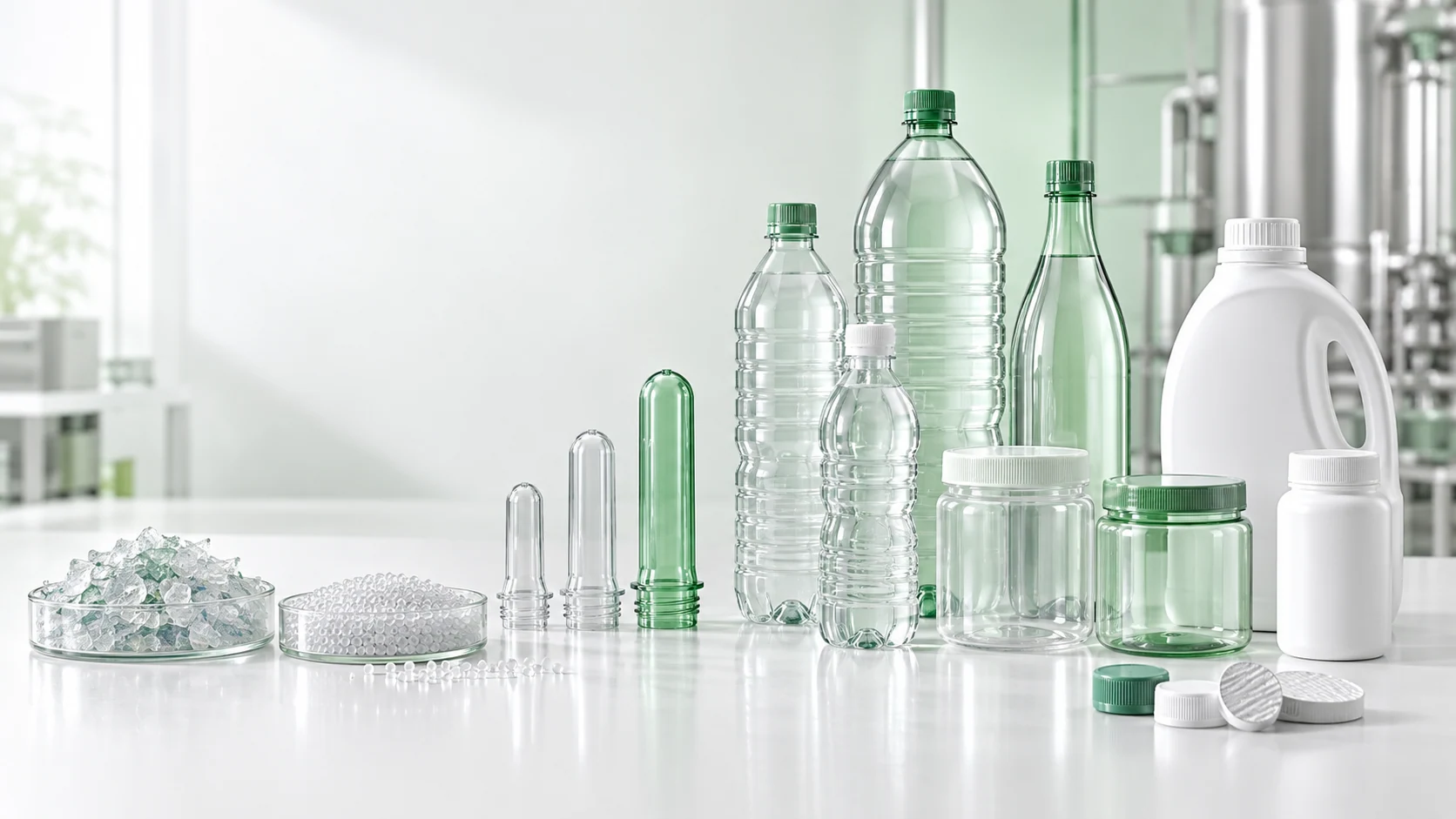
Recycled PET, designed for a real use case.
rPET describes recycled polyethylene terephthalate. It does not by itself establish the right recycled percentage or suitability for every product.
Material source
Record resin supplier, recycled origin and the exact batch specification.
Pack development
Assess clarity, color, bottle design, closure fit and production behavior.
Use conditions
Check intended contents, temperature, contact time and destination market.
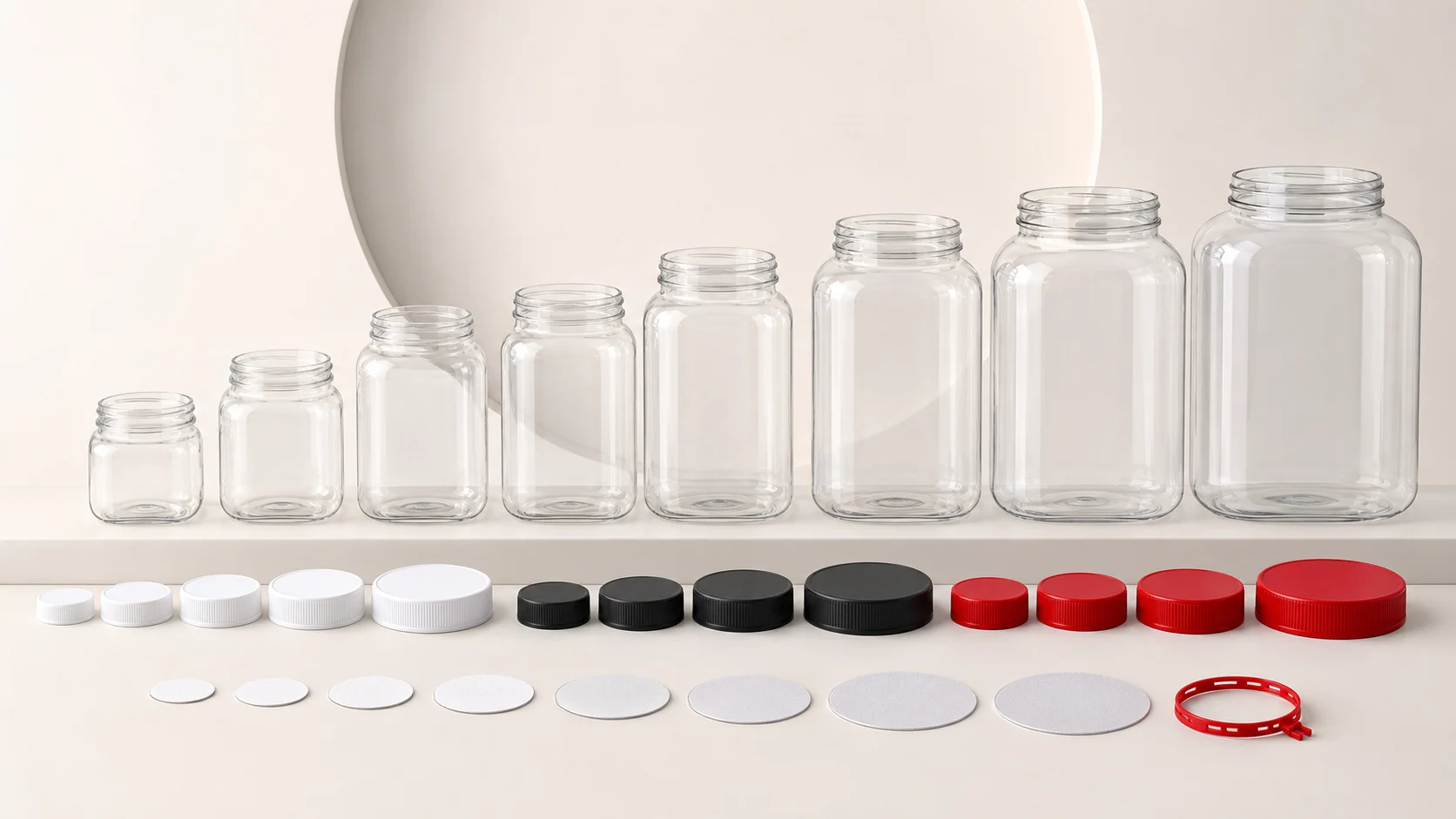
Samples make a target tangible.
Compare actual bottle and jar samples rather than approving recycled content as an abstract number. Appearance, dimensional performance and the approved material route should all be part of the specification.
Food-contact applications require a separate review of the specific recycling process, resin, intended use and relevant market requirements.
What buyers ask before specifying
Practical answers to support a better first conversation.
Is recycled PET the same as APET?
No. APET describes an amorphous form of PET; rPET describes recycled origin. A material can have both attributes, but the terms answer different questions.
Can any rPET bottle contact food?
No. Food-contact suitability depends on the exact recycling process, material, intended use and destination-market rules. Request the relevant evidence for the specific pack.
Let’s build the right packaging for your product.
Tell us about your product, target market, material preference and packaging requirements. We will help you define the next step.